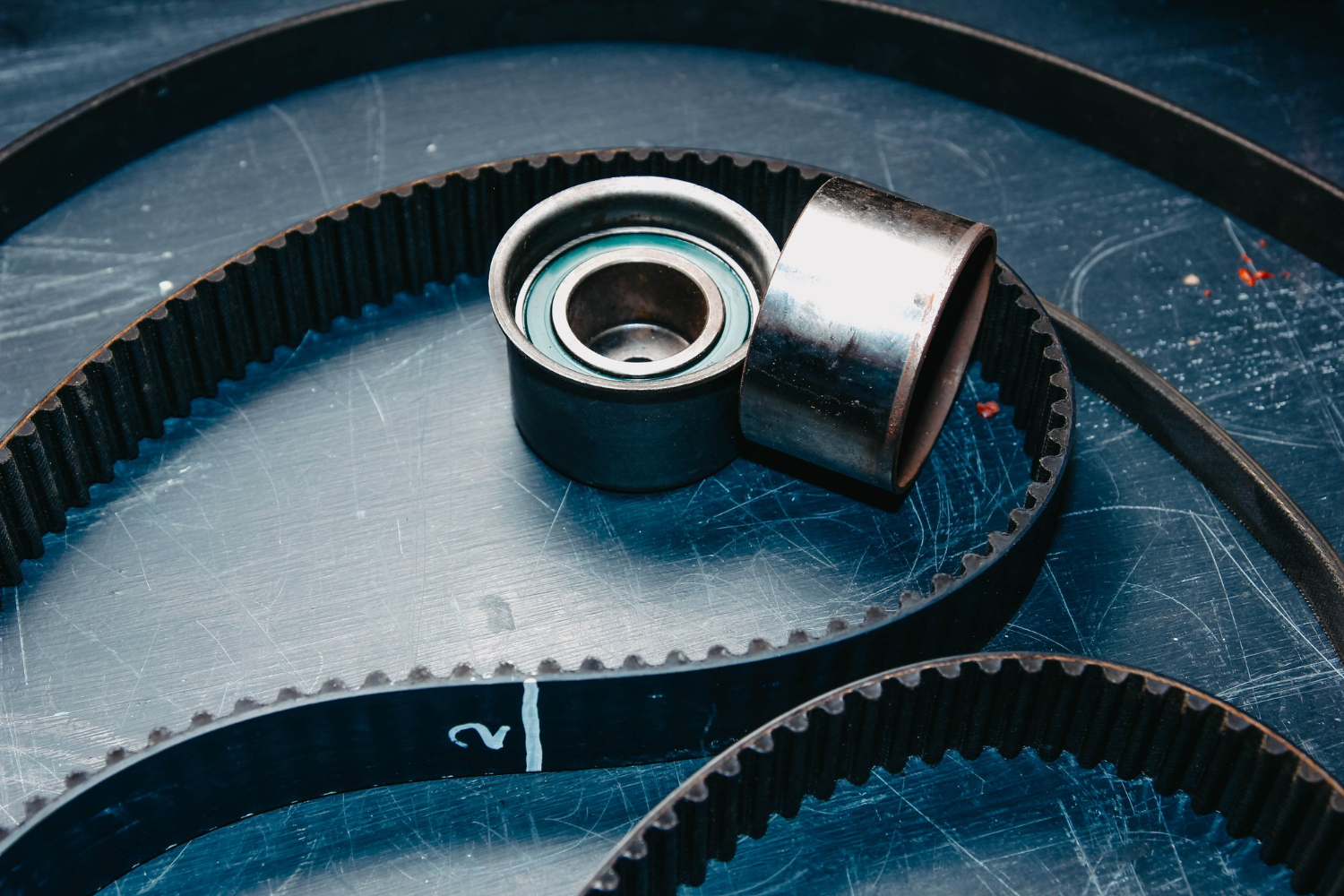
Your vehicle’s engine relies on precise timing to run smoothly, and the timing belt (or wet belt in some newer engines) plays a crucial role in making that happen. This belt keeps the engine’s camshaft and crankshaft moving in perfect sync so the valves and pistons operate correctly. Over time, however, these belts wear out, and failing to inspect or replace them can lead to serious—and expensive—engine damage.
One of the biggest reasons to have your timing belt or wet belt checked regularly is to prevent unexpected engine failure. If the belt snaps while you’re driving, the pistons can collide with the valves, causing catastrophic internal damage. In many cases, this can result in repairs so costly that the engine needs to be replaced entirely. A routine inspection is a small investment that helps avoid a major, sudden expense.
Wet belts, which run inside the engine and are lubricated by oil, are particularly sensitive to oil quality. If oil changes are skipped or the wrong type of oil is used, the belt can deteriorate more quickly. This makes regular servicing and inspections even more important.
Additionally, a worn or stretched belt can lead to poor engine performance, including decreased fuel efficiency, rough idling, or difficulty starting the car. Checking the belt ensures your engine continues running smoothly and efficiently.
In short, having your timing belt or wet belt inspected regularly helps protect your engine, your budget, and your peace of mind.